Priority Species: Atlantic Mackerel
Scientific name: Scomber scombrus

Photo: Juniors Bildarchiv GmbH / Alamy Stock Photo, Atlantic mackerel
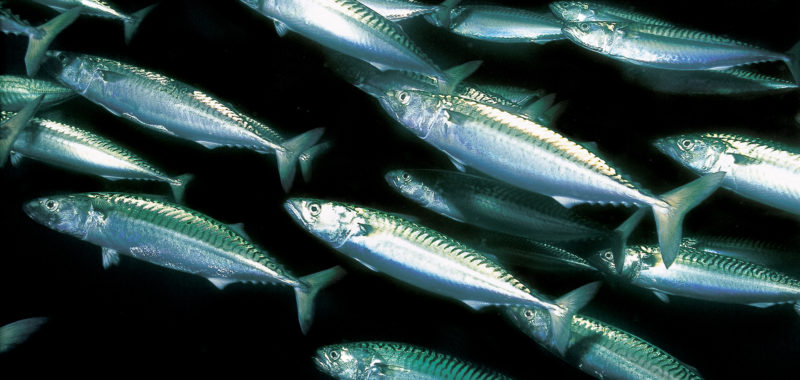
Photo: Erling Svensen, Atlantic mackerel

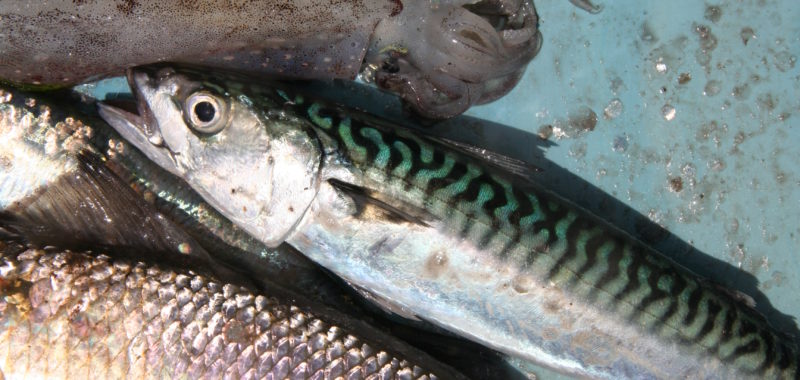
DFO Stock Status: Critical zone (1/1 stock)
COSEWIC Status: No COSEWIC assessment
Dive deeper into stock-specific status details.
The mackerel population, an important food source for whales, tuna, sharks, and birds, as well as for humans, is currently in the critical zone — though a 2017 assessment showed signs of a slight increase. However, there is no agreed rebuilding target or upper stock reference point. Mackerel is used primarily for bait in Canada’s lobster fishery. There are also concerns with unreported catches in recreational and bait fisheries.
Population: Since stock status is the most pressing sustainability issue with this fishery, the focus will be on putting meaningful measures in place that align with a rebuilding plan. The first meeting of the Rebuilding Plan Working Group was in December 2017. An ecosystem approach is needed for forage fisheries in Canada, so ecosystem needs can be considered in setting the overall fishing quota. Ensuring estimates of fishing mortality1 from recreational and bait fisheries is also a priority.
Bycatch: Increase monitoring in the herring fishery, to assess level of mackerel bycatch.
Habitat: N/A
Gear: N/A
Monitoring: Increased monitoring is needed to ensure all fishing-related mortality is accounted for in the recreational and bait fisheries. Monitoring includes data collection from the lobster fishery on bait use, which is currently part of the MSC certification conditions for lobster.
Markets: SeaChoice aims to improve our understanding of the domestic use of Atlantic mackerel (including volumes), and investigate the existence and nature of exports. While Canadian mackerel is not MSC certified, bait conditions in MSC certification of Canadian inshore lobster pertain directly to mackerel. We will monitor and ensure bait conditions are appropriately addressed through the MSC process, considering the precarious stock status of Atlantic mackerel.
Common/Market Name
Atlantic Mackerel
Distribution
Atlantic Canada
Harvest Method
Gear types: purse seine, gillnet, jig, trap, handline
Management Agency
Department of Fisheries and Oceans Canada (DFO): National Level Management
Market Distribution
Mainly used domestically as bait (volume unknown). About one quarter is exported (data from Statistic Canada).