Traceability
Traceability is the process by which seafood maintains its species name, country where it was caught or farmed, country of processing, and fishing gear type or farming method through the seafood supply chain.
This information is required to verify the sustainability of products. While some seafood products are easy to trace, others can be much more complicated.
Consider a vessel in the British Columbia trawl fleet that has two types of fishing gear (mid-water and bottom trawls) and regularly catches 20 species of fish. Maintaining traceability through the landing, processing and distribution steps is exceptionally challenging.
Technological innovation, combined with increased international requirements for improved traceability, are incentivizing traceability worldwide.
Our Work on Improving Traceability of Seafood in the Supply Chain
SeaChoice and its partner organizations are working on various projects to improve seafood traceability. At an operational level, we are working with the BC trawl sector and KnowYour.Fish, a traceability platform developed by Vericatch. We anticipate that in 2018, there will be several fish species traceable through the supply chain that are currently being sold as generic products, especially rockfish and sole species.
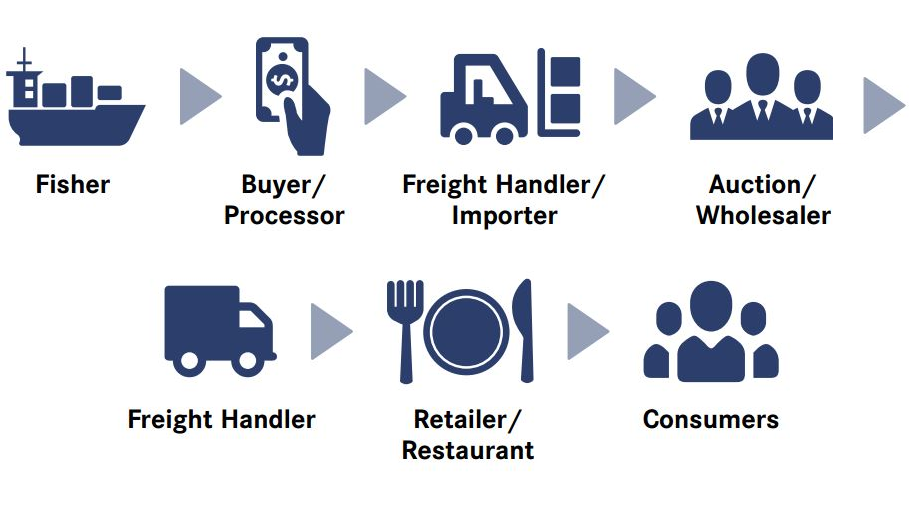
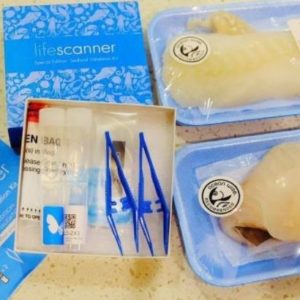
The new system will track rockfish through the seafood supply chain by correct common name, gear type used to catch the fish, location of catch, and sustainability information. Verification of species will be audited through genetic testing of seafood at the point of sale.
We have also been involved with the Seafood Alliance for Legality and Traceability (SALT), a global initiative for knowledge exchange and action to promote legal and sustainable fisheries through improved transparency in seafood supply chains.
We also submitted suggestions for more robust traceability in our contribution to the Safe Food for Canadians Regulations and Food Labelling Modernization Initiative.